Nine months sounds long until you’re in it. The weeks blur, and the details you were sure you’d remember are the first to go. A few minutes of recording along the way is enough to get them back later.
This is a list of pregnancy milestones worth recording, grouped by trimester, with an easy way to keep each one. It’s about memories, not medicine. Every pregnancy runs on its own schedule, and your midwife or doctor is the person to ask about what to expect and when.
The short list
- The positive test
- Telling your partner, family, and friends
- The first scan picture
- Hearing the heartbeat at an appointment
- Your announcement
- The first kicks
- Bump photos
- The name shortlist
- The baby shower
- The nursery, before and after
- A letter to your baby
- The last bump photo and the packed bag
Before you start: pick one place
Memories scattered across three phones and a kitchen drawer are hard to find later. Pick one home for everything now: a shared photo album, a notes file, or a paper journal with a box beside it for the things you can hold. Whatever you choose, back it up.
First trimester
The positive test
Take a photo of the test and write down the date, where you were, and who you told first. The test itself won’t keep. The picture will.
Telling the people closest to you
The reaction is the keepsake. If you can, film the moment you tell your partner or your parents, or write down exactly what they said while you still remember it.
The first scan picture
Scan pictures are usually printed on thermal paper, which fades with heat, light, and time. Photograph or scan the printout the day you get it, and keep the original somewhere cool and dark.
Hearing the heartbeat at an appointment
The first time you hear the heartbeat at a checkup is the moment many parents say made it real. Ask whether you can record a few seconds of audio or video on your phone. Many clinics are glad to let you.
Second trimester
Your announcement
However you share the news, keep a copy: the photo, the card, the group chat screenshots, the replies.
The first kicks
According to the NHS, most people first feel their baby move somewhere between 16 and 24 weeks. Write down the date, what it felt like, and what you were doing. Later, try filming your bump when the kicks get strong enough to see.
Movements are also how you keep an eye on your baby’s wellbeing. If your baby is moving less than usual, call your midwife or doctor right away. Don’t wait until tomorrow, and don’t use a home doppler or a phone app to check. As the NHS puts it, even if you hear a heartbeat, this does not mean your baby is well.
Bump photos
Same spot, same pose, every week or every month. It feels repetitive while you’re doing it and turns into one of the best things you’ll have. Side-on, near a window, works every time.
The name shortlist
Keep the whole list, including the names that got vetoed and who vetoed them. The rejects are half the fun later.
Third trimester
The baby shower
Ask guests to write a note or record a short voice message for the baby. Save the guest list and one photo of the whole room.
The nursery, before and after
Take a photo of the empty room before you start and another when it’s ready. Stand in the same corner for both.
A heartbeat recording of your own
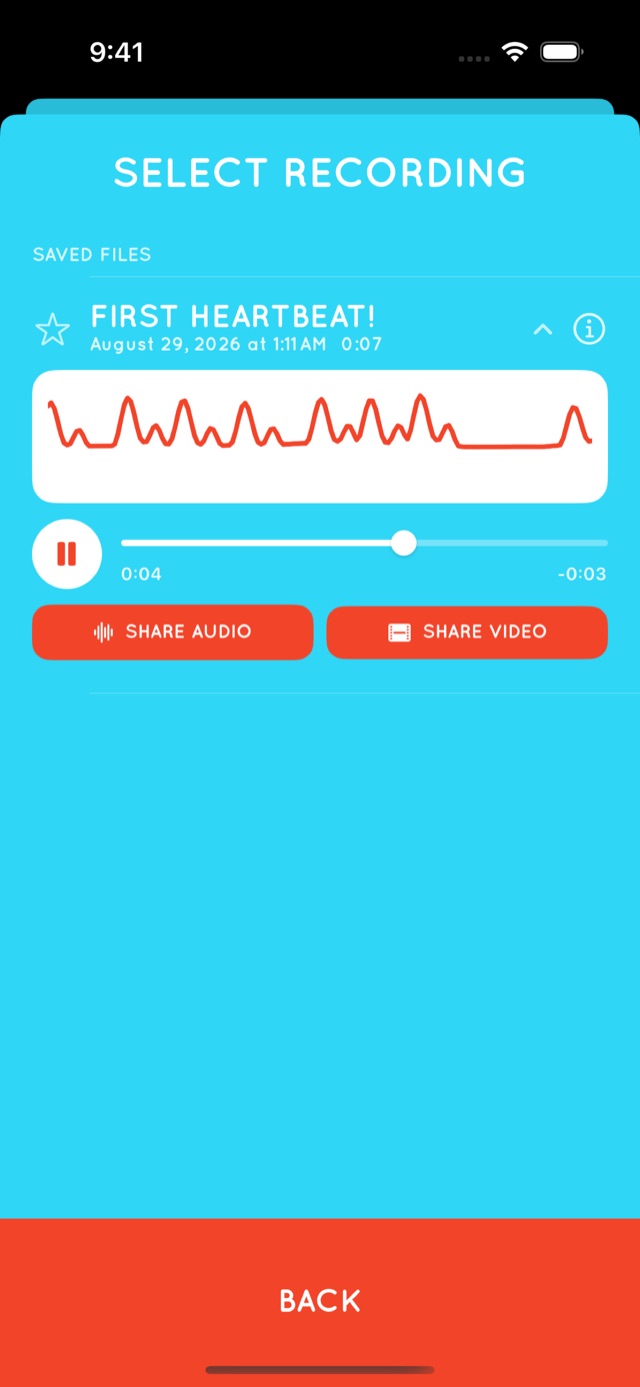
Late in pregnancy, some parents like to capture a heartbeat keepsake at home. Our app, Flutter Baby Heartbeat Monitor, uses your phone’s microphone to listen for the heartbeat and save a recording you can share. It works best in the last 12 to 16 weeks, it doesn’t work for everyone, and it’s for keepsakes only, never for checking on your baby’s health.


A letter to your baby
Write down what you’re hoping for, what you’re nervous about, and what the world looks like this month. Seal it and decide later when to hand it over.
The last bump photo and the packed bag
One final photo in the usual spot, and one of the hospital bag by the door. You won’t think to take either on the day.
The unofficial milestones
Some of the best entries aren’t on any list. The craving that made no sense. The first stranger who offered you a seat. The first time you couldn’t see your feet. Hiccups you could feel from the outside. Write these down the day they happen. They’re the ones that vanish fastest.
How to keep it all
- Photos and video: one shared album that your partner can add to.
- Sounds: voice memos for reactions and messages, and a heartbeat recording if you make one.
- Words: a running notes file or a journal. Two lines on the day beat two pages a month later.
- Things: one box for the test, the scan printout, cards, and the hospital bracelet.
Then back it up. A cloud album or a second copy on a computer is enough.
Keep reading
- What to write in a pregnancy journal: prompts for every trimester
- Pregnancy progress photos, and how to turn them into a time-lapse
- What to put in a baby memory box or time capsule
Keep the heartbeat, too
Flutter Baby Heartbeat Monitor is free to download for iPhone, iPad, and Android. For bonding and creating memories and keepsakes — not a medical device. Learn more about Flutter.
This article is about keeping memories and isn’t medical advice. For anything about your health or your baby’s, talk to your midwife or doctor.